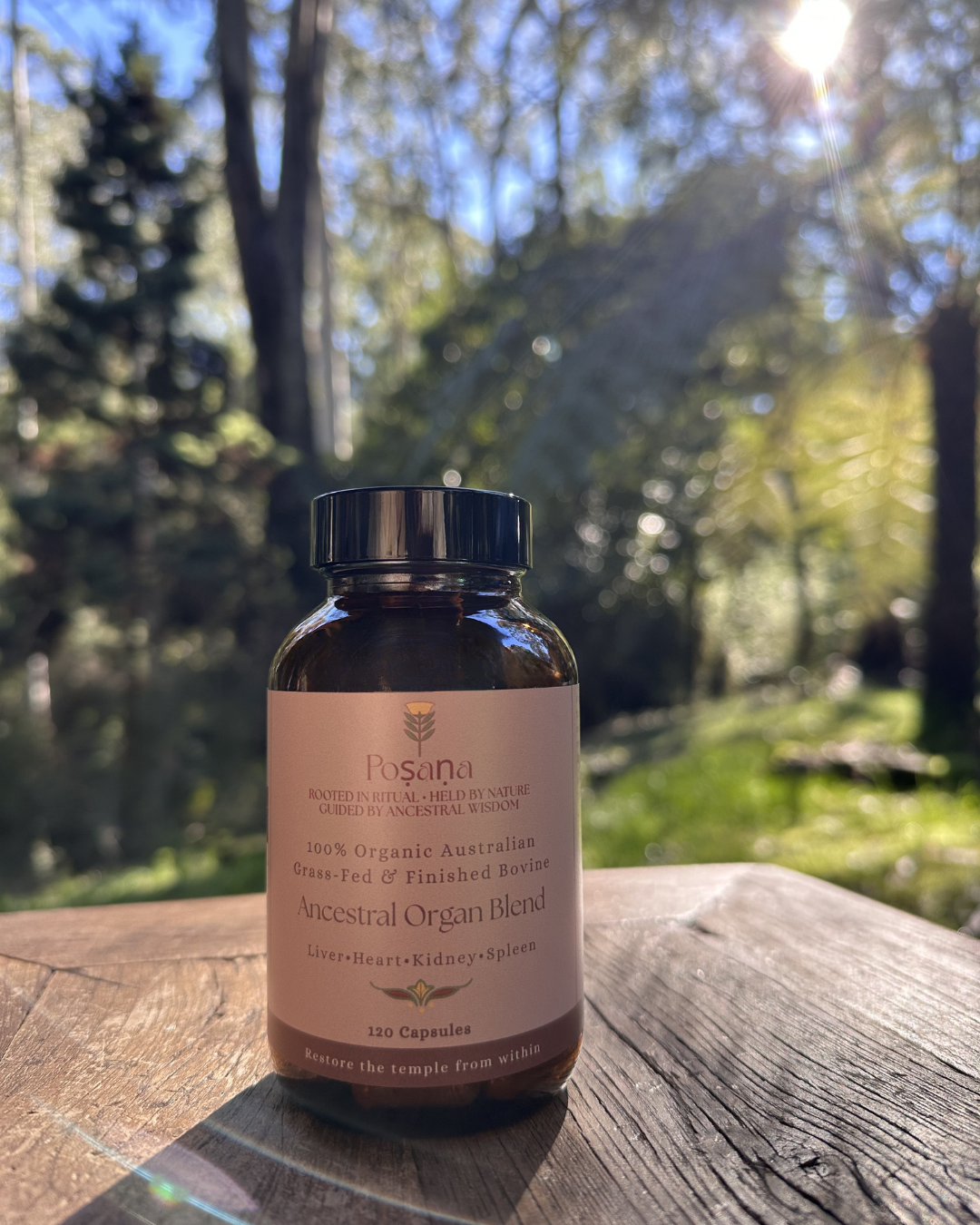
Organ meats for women
Organ Meats: Deep Nourishment for Women
In a world filled with supplements, powders, and fortified foods, some of the most nourishing foods available to us are the ones our ancestors valued most.
For generations, organ meats such as liver, heart, kidney, and spleen were considered foundational foods, particularly for women during menstruation, pregnancy, postpartum recovery, second spring and times of increased physical or emotional demand. These nutrient-dense foods were treasured for their ability to replenish, sustain, and nourish the body deeply.
Yet somewhere along the way, humans slowly moved away from these traditional foods, favouring lean muscle meats while leaving behind some of the most nutrient-rich parts of the animal.
Organ meats are often referred to as nature’s multivitamin, and for good reason.
They provide an abundance of highly bioavailable nutrients, including haem iron, vitamin B12, folate, choline, vitamin A, copper, selenium, CoQ10 and other essential micronutrients that support energy production, hormone health, fertility, cognitive function, thyroid health, and overall vitality. These are nutrients many women struggle to obtain in adequate amounts through modern diets alone.
One nutrient deserving particular attention is choline. Choline plays a vital role in brain function, nervous system health, and fetal development during pregnancy, yet many women do not consume enough of it. Liver is one of the richest whole-food sources available.
Organ meats are also naturally rich in haem iron (especially liver & spleen) and vitamin B12, nutrients essential for healthy red blood cell production, oxygen transport, mental clarity, and sustained energy. Unlike many plant-based sources of iron, the iron found in organ meats is highly absorbable and readily utilised by the body.
My own appreciation for organ meats grew through through my own seasons of pre-conceiving, pregnancy & now postpartum into motherhood. While no single food is a cure, prioritising nutrient-dense foods rich in iron, B vitamins, selenium, copper, vitamin A, CoQ10 and choline felt profoundly supportive. Focusing on nourishment through whole foods rather than relying solely on supplements helped me feel more resilient, energised, and connected to what my body needed and recognised.
Beyond their nutritional value, organ meats also invite a broader conversation about our relationship with food.
Choosing to eat nose-to-tail honours the entire animal and reflects a more mindful approach to consumption. Rather than valuing only select cuts, it encourages us to appreciate and utilise parts that are both highly nourishing and often overlooked. This practice not only reduces waste but also supports a more respectful and regenerative food system.
The beauty of organ meats is that a little goes a long way. Even small amounts incorporated regularly can contribute meaningful nutrients to the diet and provide nourishment that is difficult to replicate elsewhere.
Sometimes the foods that nourish us most deeply are not new discoveries at all. They are the traditional foods that have sustained generations before us, quietly reminding us that nourishment is often found in returning to the wisdom of what came before.
*We honour this sacred season of pre-conception, pregnancy and breastfeeding. Please seek guidance from your qualified healthcare provider before introducing any new supplement during this time.

Poṣaṇa
Ancestral Organ Blend
Share